
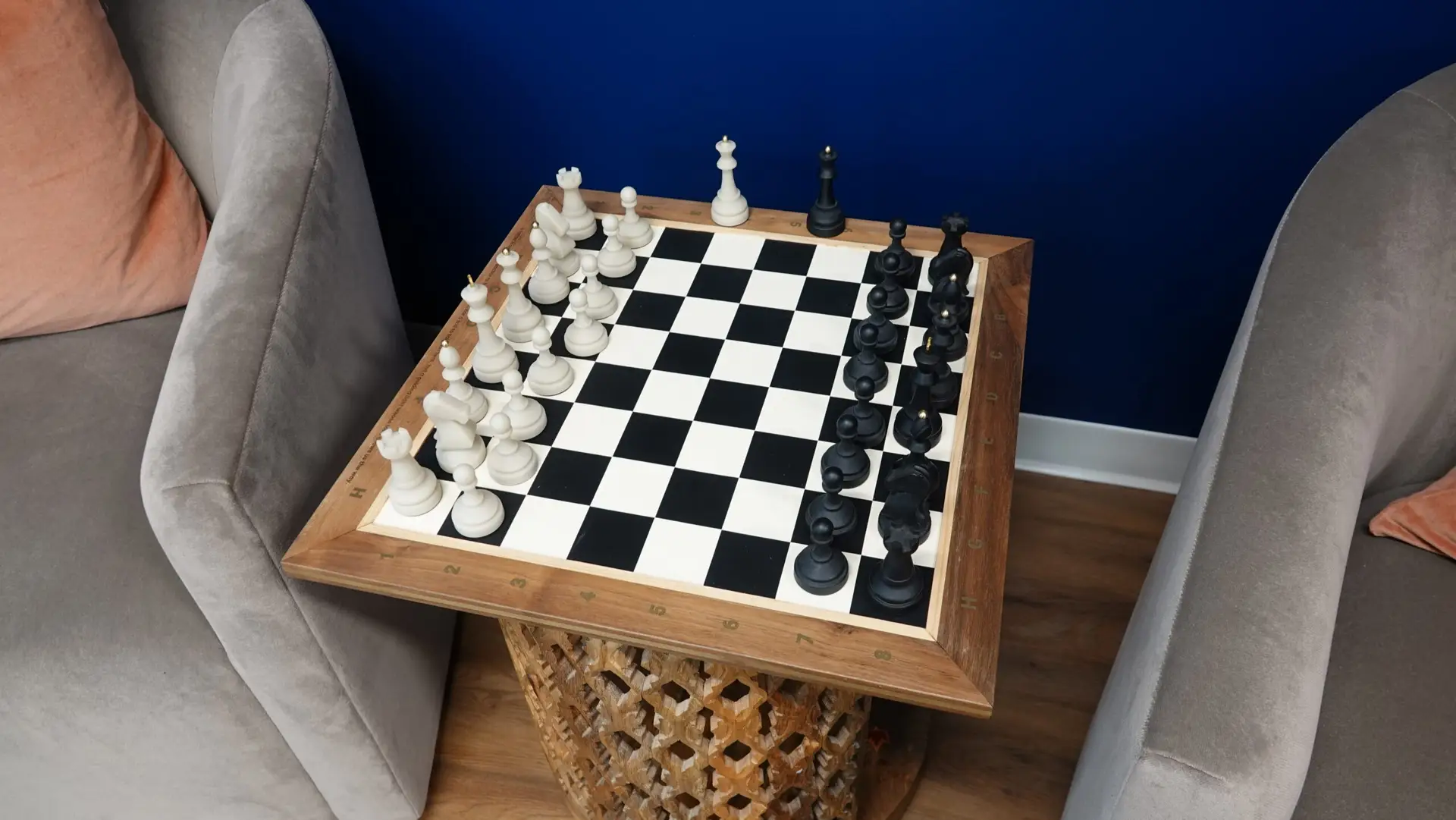
The only video game my kids really play is chess.
That still makes me laugh, mostly because it did not begin as some carefully crafted parenting philosophy. It started with two kids asking for a video game and a dad deciding to broaden the definition a bit. So I set up two iPads across from each other on Chess.com and told them it was the coolest video game of all time. Not a complete lie.
What started as a small parenting experiment has turned into something much better. Now we have chess boards around the house, the boys are signed up for chess camp again this summer, and the game has quietly become part of our family rhythm.
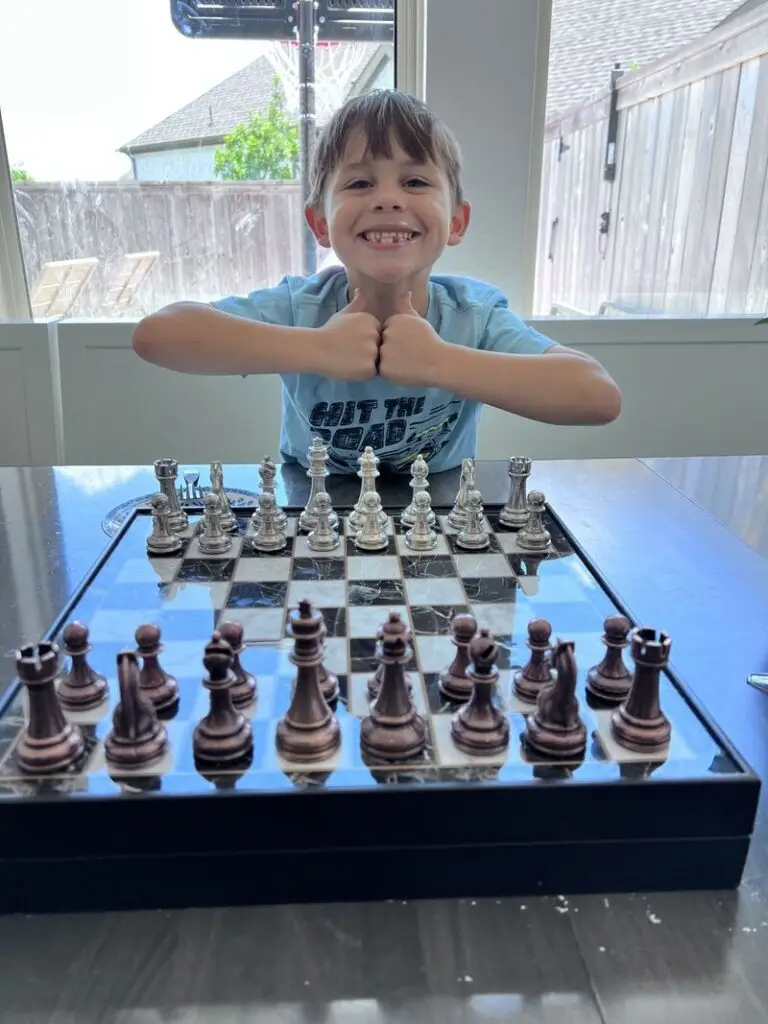
The more I watch them play, the more I am reminded that chess is not just a game. It is a pretty good teacher.
I have been playing since I was about Leo’s age, so there is something especially satisfying about watching my kids discover it for themselves. Chess is simple enough to learn, but deep enough to keep teaching you lessons for a lifetime. For kids, it builds patience, focus, discipline, and the ability to think a few moves ahead. They learn there are rules to respect, consequences to every move, and no shortcuts around the need to think. And maybe most importantly, they learn how to finish. At the end of the game, win, lose, or draw, you shake hands, show respect, and move on. That feels increasingly valuable.
In a world that rewards speed, reaction, and instant gratification, chess teaches something different. It teaches restraint. It teaches delayed gratification. It teaches that the obvious move is not always the best move, and that chasing the quick win can leave you exposed later. That is not just a lesson for kids. That is leadership.
A lot of leadership is resisting the urge to make the flashy move just because it is available. It is knowing when to be aggressive and when to be patient. It is understanding that every decision changes the board, whether you realize it in the moment or not. It is being willing to give up something small now for a much stronger position later. Good leaders know not every opportunity should be taken, not every battle needs to be fought, and not every short term win is worth the long term cost. Chess teaches that as well as almost anything.
It also teaches ownership. There is no one else to blame for a bad move. You can learn from it, recover from it, and adapt, but you cannot pretend it did not happen. That lesson translates pretty well beyond the board. In leadership, in business, and in life, progress usually starts when we are honest about the move we just made and clear about the one we need to make next.
And then there is the part I probably appreciate most as a dad. Chess creates real connection. Sitting across from your kids, watching them think, seeing the wheels turn, hearing the confidence grow with each game, that is time well spent. It is challenging, fun, and surprisingly relational. In a world full of noise and distraction, a chess board has a way of creating focused time together that feels rare and important.
We have also been lucky to have help from people who know how to make the game fun. Justin with HotChess has been fantastic. He keeps it engaging for kids, which is everything. When kids enjoy something, they stay with it long enough for the deeper lessons to take root. That is true for learning in general, and probably true for leadership too. People rarely grow because they were forced into a lesson. They grow because someone made the process engaging enough to stick with it.
That is part of what I love about chess. It meets you where you are, then quietly asks more of you. More patience. More discipline. More foresight. More humility. More resilience. Those are not bad things for a kid to learn. Those are not bad things for any of us to learn.
So yes, I may have tricked my kids into playing chess. But somewhere along the way, the trick turned into a tradition. And like a lot of the best traditions, it has ended up teaching more than I expected about strategy, sportsmanship, patience, and thinking ahead. More than that, it has been a reminder that the best move is not always the fastest one.
Not a complete lie.