
One Year as an EOS Implementer: The Seat on the Other Side of the Table
The stool was the same stool.
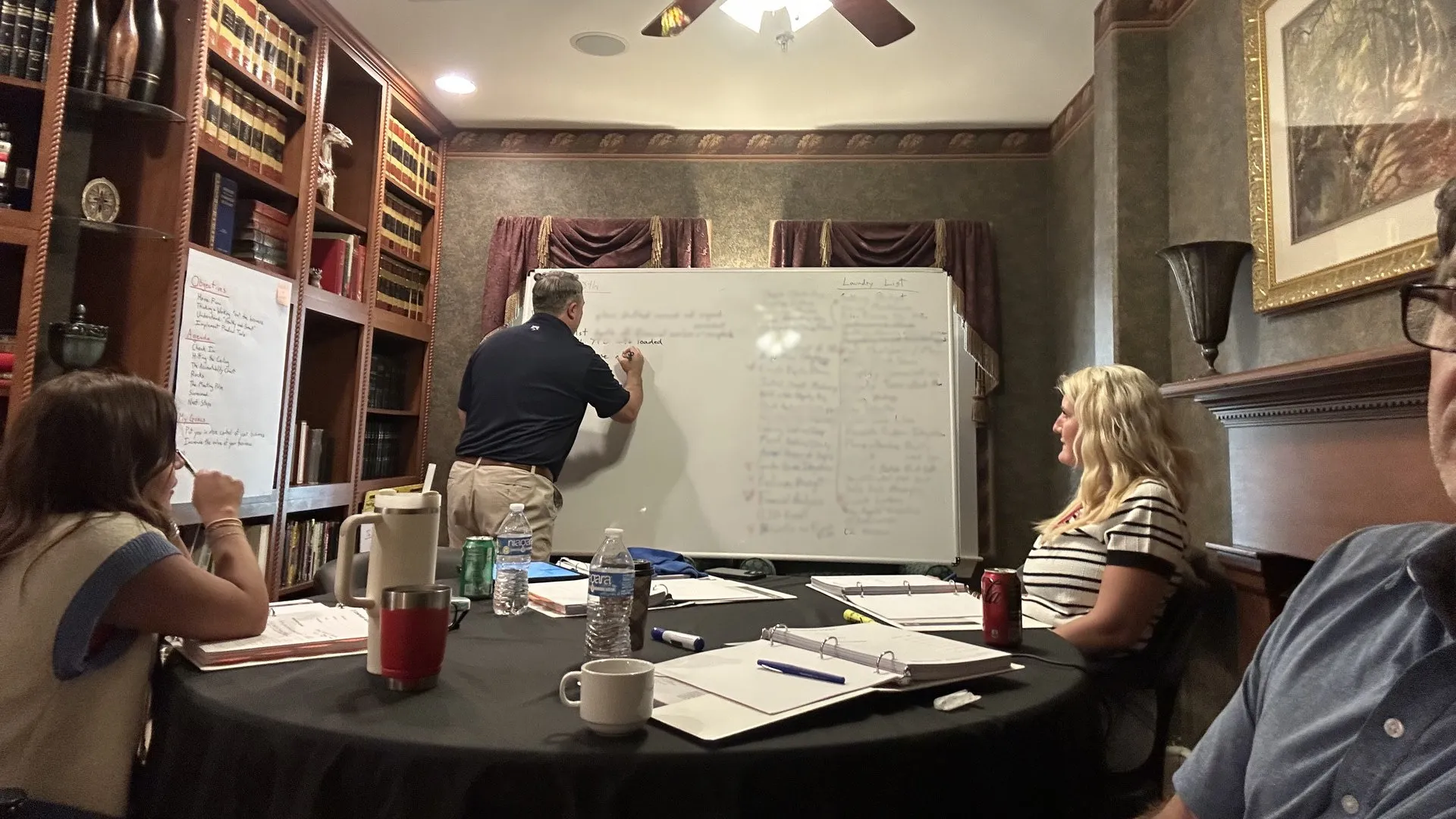
September 2, 2025. Bellaire, Texas, suite 687, the session room my old implementer ran for years and had handed to another implementer, who was kind enough to let a brand new one borrow it. I had sat in that room every quarter for many years as a client, on the far side of the table, working through the hard stuff at Pinot’s Palette with my leadership team. Now I was on the near side, on my implementer’s stool, giving my second ninety minute meeting to a leadership team that had no idea what the room meant to me.
I summoned every ounce of her I could find. And at some point I pointed at the chair across from me and said the truest thing I had: I have been in your seat. That exact chair. I know the road from where you are to where you’re going, because I lived it.
Not exactly how I drew it up, a year earlier. A year earlier I was burned out from a two year turnaround, calling my implementer to ask what was next. She put me on the phone with three other implementers, and five or ten minutes into each of those calls we were pretty sure I was ready to come off the field and coach. I hadn’t walked in thinking that. The more I sat with it, the more it felt like what I was built for. Fifteen years as an adjunct at Rice, every alum who ever called about starting something, the CrossFit coaching, coaching franchisees, all of it pointed the same direction.
So I signed the franchise agreement, and then I had two months to wait for Boot Camp. I did what any reasonable person does with a script they have to know cold. I made my family sit through it. The kids turned it into a game at first, following along on the pages and calling out every word I missed and every whiteboard drawing that didn’t match. Then it became a punishment. When someone wasn’t acting right, I’d say, welcome to the ninety minute meeting, and they would run. The hardest ninety minute meetings I have ever given were to my wife at our kitchen table. It’s hardest to perform for those you love most.
I also gave her a new business forecast. I told her the story I had been told: a hundred working days a year, twenty clients, less stress on the family than another executive job at another company. She looked at me the way she looks at me when I say things like that, because she knows I go a hundred and ten percent into the paint on everything. She was right to look at me that way. Year one of any business is going to be rough. It was a better year than most, she’ll tell you, but it was a different kind of stress, not less of it.
Boot Camp was the end of August, and our coach turned out to be a mentor and friend and not just an instructor. Seven of us walked out of that week as the Firehose T Group, and we still find each other at the quarterly meetings and hug like it was yesterday. The Houston MCE had already pulled me in before I got there, which felt a little like cheating. One of the veterans had taken me aside and told me not to just know the material but to “know know” it. Then I set one goal for September: by the end of the month, everyone in my network was going to know what I was doing and why. Two or three coffees a day, some days four. A hundred and twenty five people. I hit it, and I am so glad I had that script cold, because it meant that in every room I could stop thinking about the words and focus on the people.
Fifteen days after the stool, the first Focus Day.
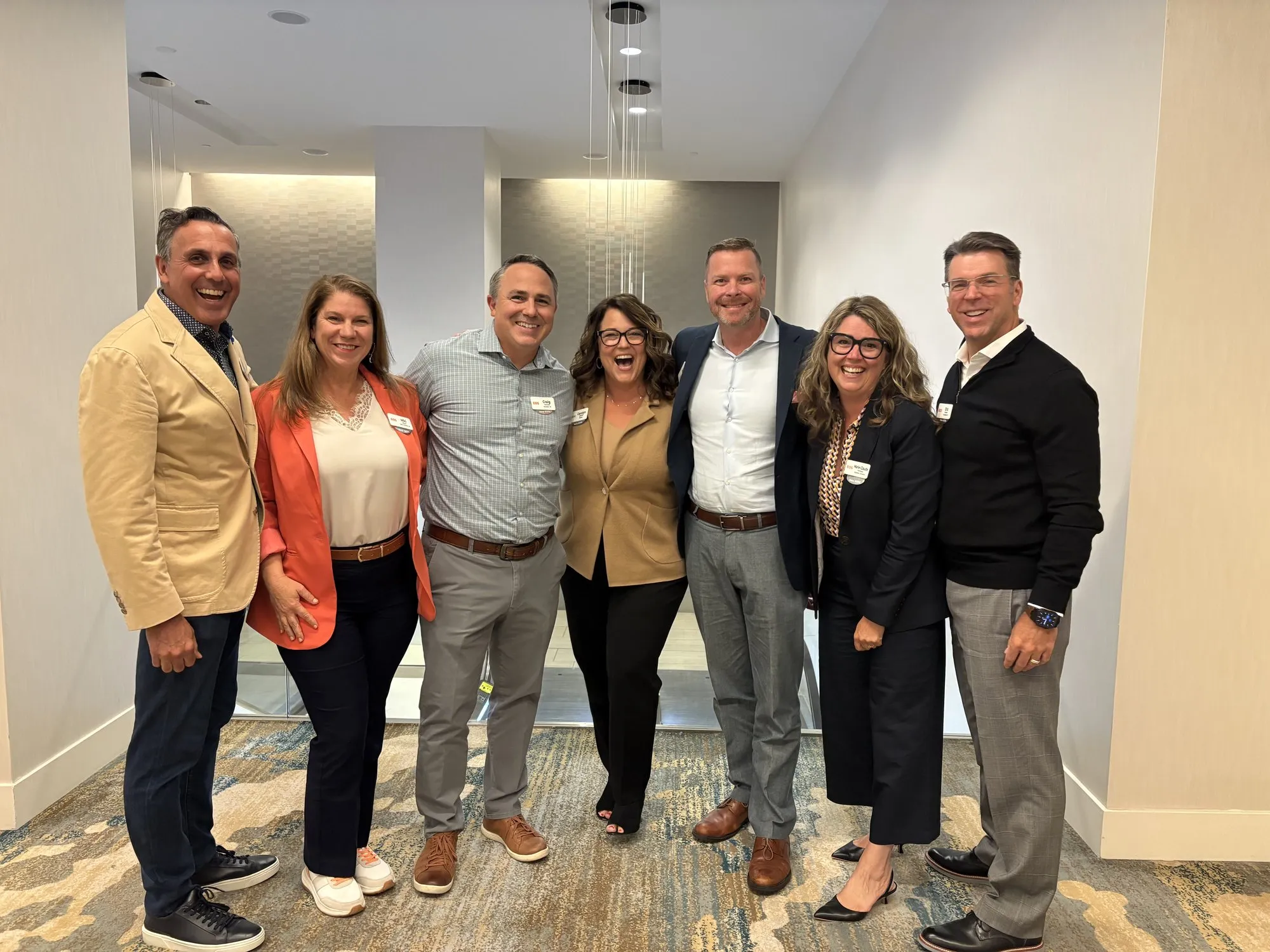
Don Porr, one of the nine of us who have been meeting as an EO roundtable for fourteen years, had teamed up on a vacation rental company in New Braunfels with Meagan and Tarrah called Haus & Host. They hired me before I had a session room, a whiteboard, or a client. They put me up the night before in one of their rentals on the Guadalupe, and on the morning of September 17 I walked down with a cup of coffee and sat by the river for a few minutes before I went in. I was afraid I would say something stupid and wreck the whole thing. First day jitters, is all it was. The session was in a small library room around a little round table, with an eight foot whiteboard Tarrah had hauled in propped across two chairs, and they were cracking jokes before I had my bag down, which is a gift to a guy about to deliver two hours of teaching he has never delivered to anyone. It helped that Don was there, twenty three years a Visionary and Integrator of his own company, filling in with real stories while I peeked at my notes. Meagan and Tarrah, I think, were not entirely sure what they had signed up for. They trusted Don. Nobody leaves a Focus Day thinking it was the best thing since sliced bread. There is homework, there is mystery, and it was the end of their busy season. But they made it about as close to a dream first session as a person could ask for, and the first call I made from the parking lot was to Alexis.
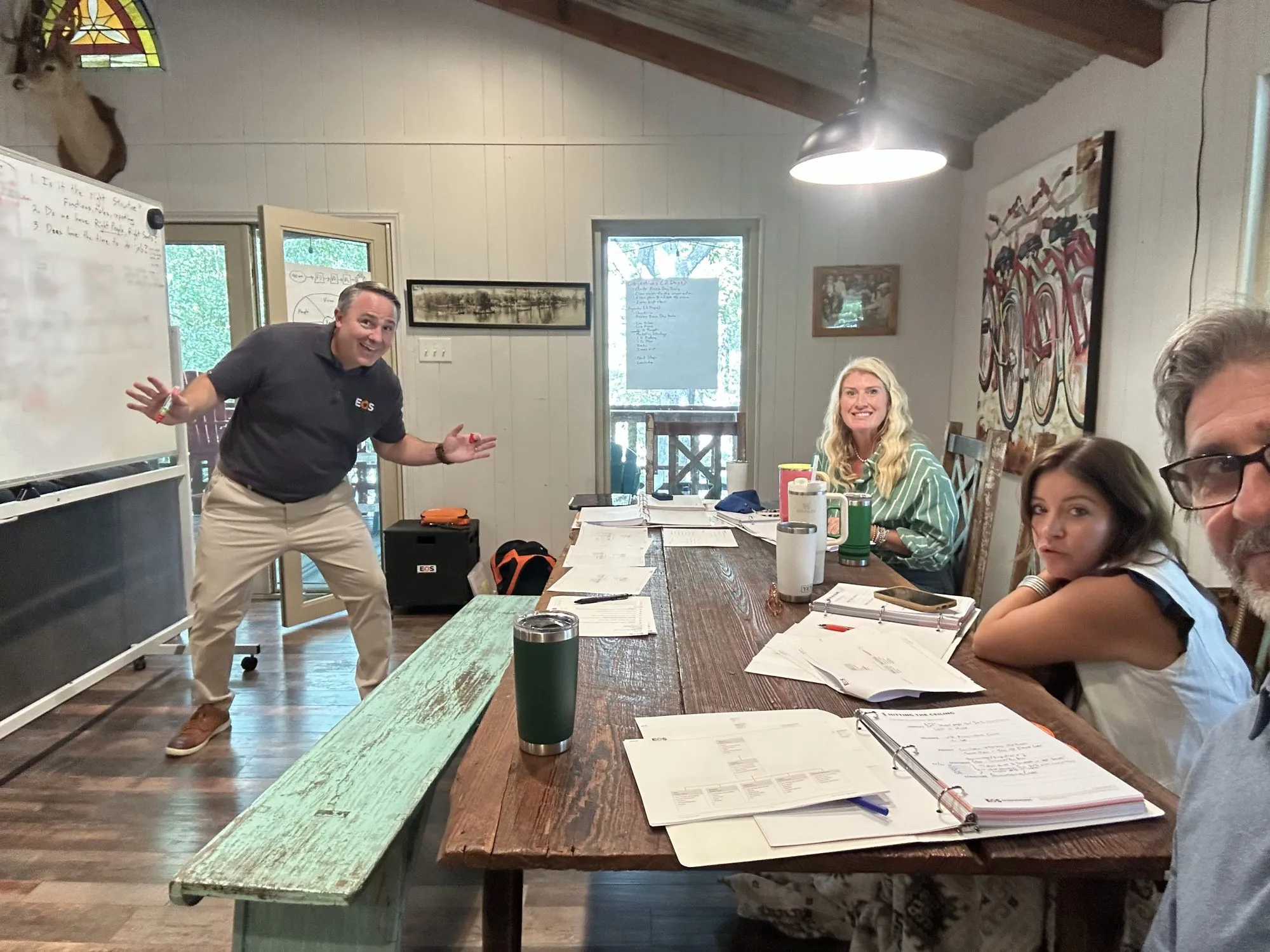
They also gave me the thing I now do at the end of every session. Haus & Host has a rule, part Don’s influence and part Meagan and Tarrah’s obsession with the guest experience, that you ask every single guest one question: what is one thing we could have done better. People save all year for a few days of vacation, so every day matters. I stole it. Good scores or bad scores, before anyone leaves my room, I ask for one thing. Thank you, Don, Tarrah and Meagan.
I met with Avenue 360 a few weeks later, and I did their ninety minute meeting with a box of EOS plushies, the elephant and the squirrel and the bull and the cow, and ran it like a quiz show for a leadership team that had read Traction and been self implementing for a year. Client two, thirty days in. A young crew in New Braunfels and a nonprofit that is quite literally changing who gets healthcare in Houston. That room, full of doctors, is the one that taught me how fast a team can move through the whole range. I have watched them go from someone crying to the deepest conversation of the day to a hug to a joke to a belly laugh inside of an hour, because they treat each other the way they treat their patients, like humans, and it is a joy to watch, and to be a part of.
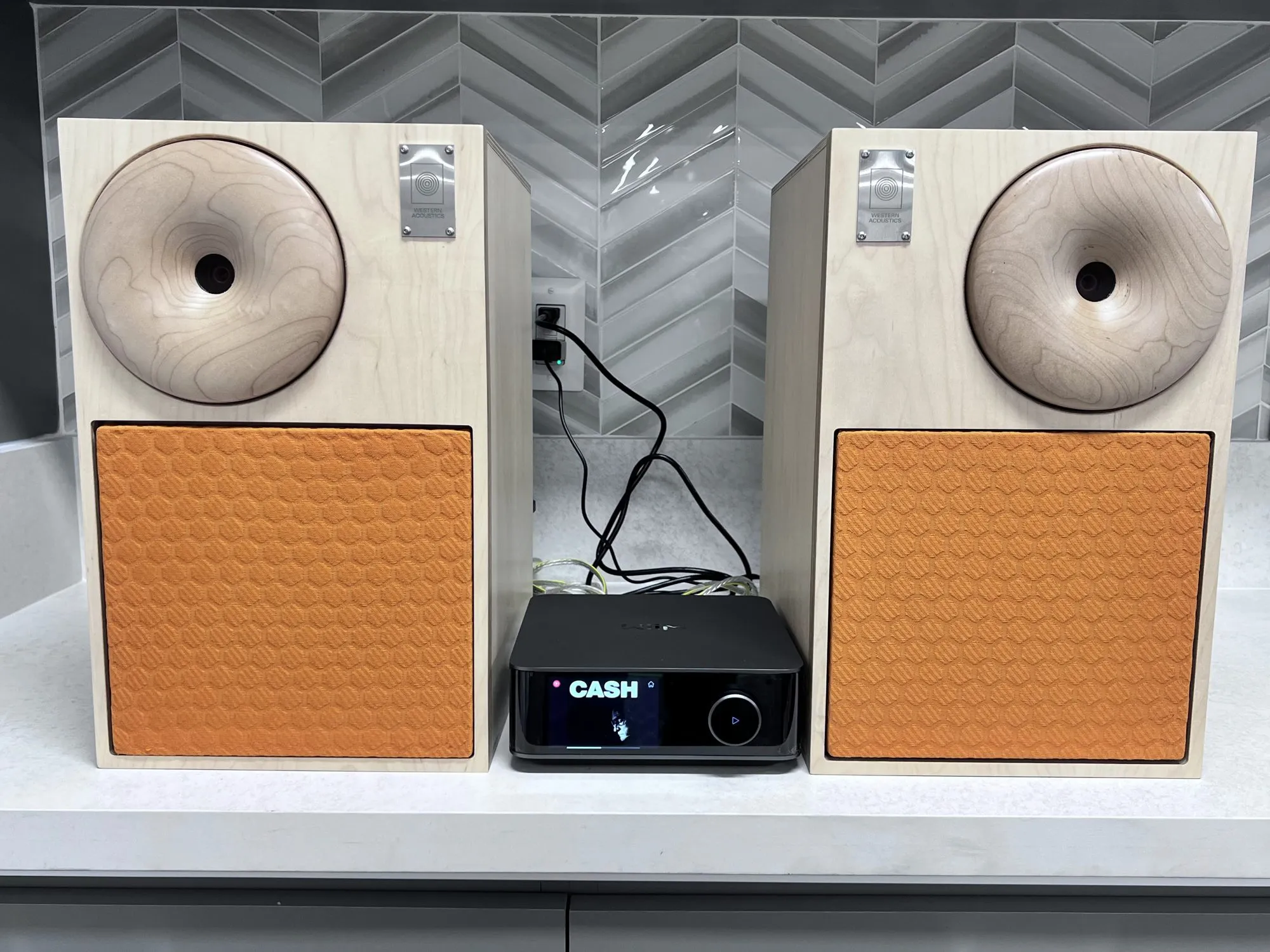
Then Don again, trusting me with his son Liam’s company, Western Acoustics, where after our first session they sat me down for a listening demo and I closed my eyes and was in the room with the band. I gave them my credit card and so should you. That was the first time a client taught me something I didn’t know I needed. Liam said, plainly, we’re newer at this and we want you to push harder and be more pointed about where we need to go. He was right. Every team is a different room, and a coach has to feel the pace. Where to leave space, where to go into the danger, where to hold them to what they said, where to put on the operator hat for a minute and tell a story from the other side of the table. I had known that as a CrossFit coach for years. I had to learn it again as an implementer.
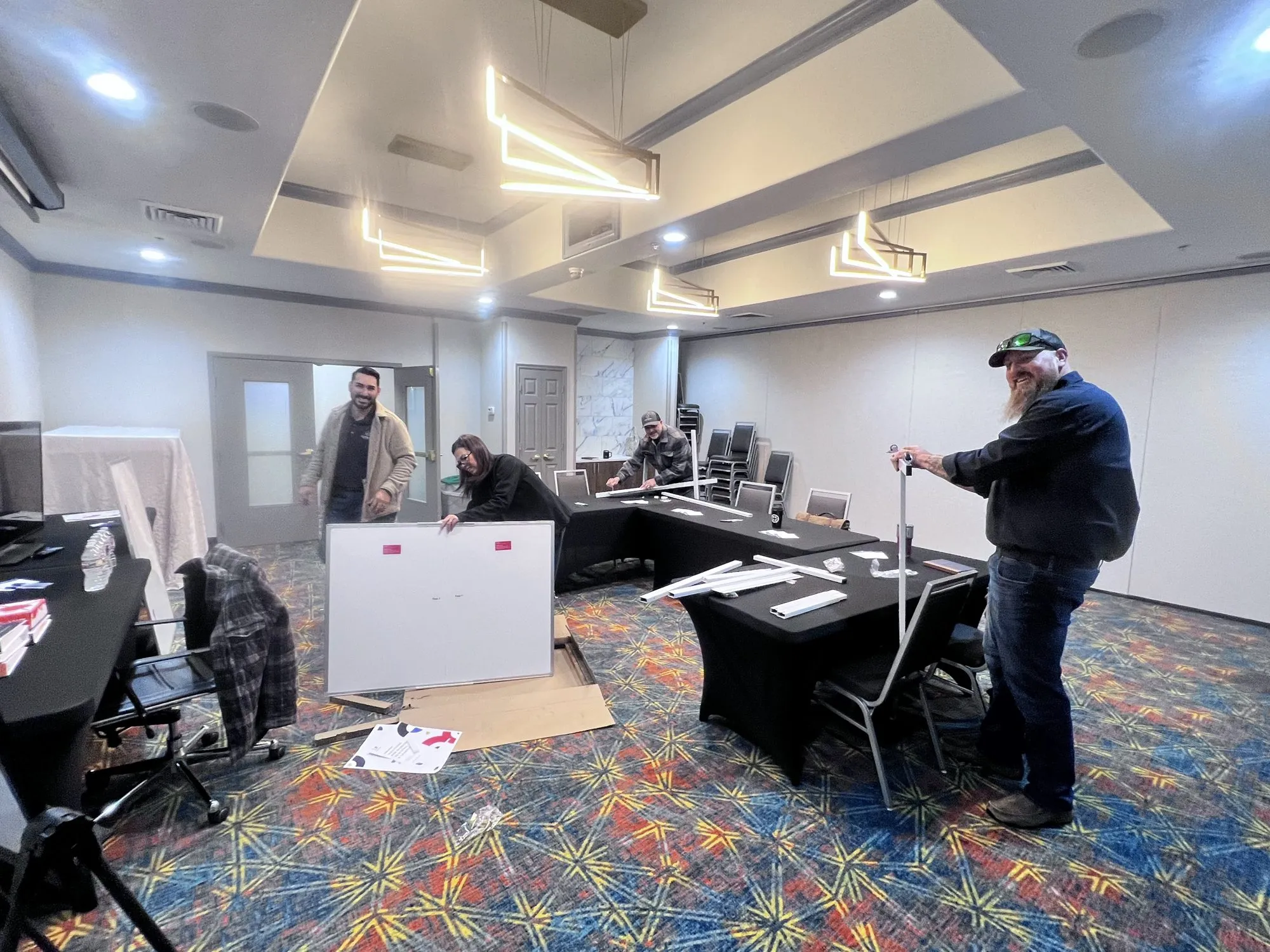
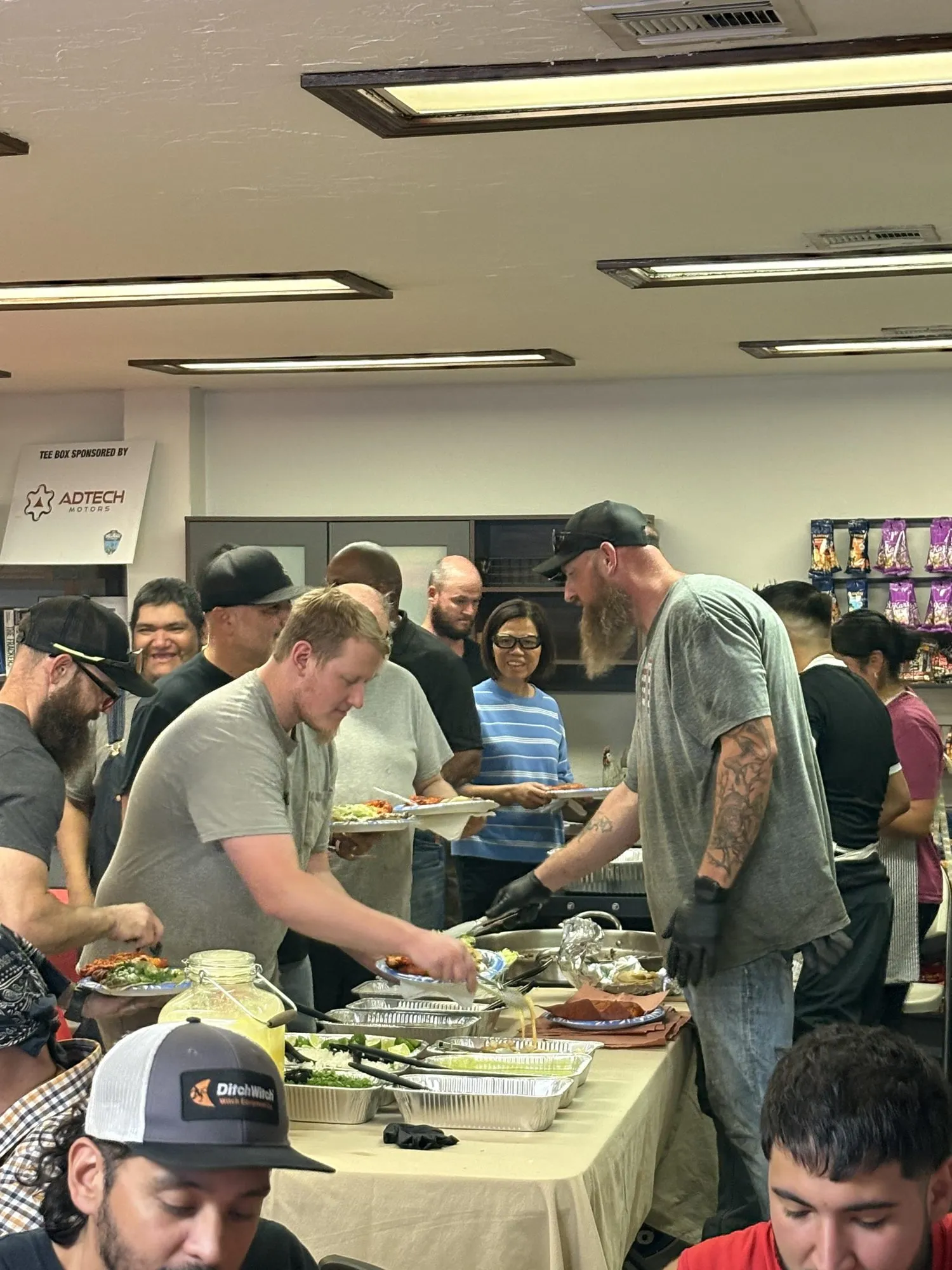
The year kept going like that. Kwick POS called through the website and I pulled over on the side of the road to talk to Ming, who had been running EOS on her own and wanted to get serious. This summer I watched her let go of the vine in a session, watched her team set their own markers and own them while she gave them the room to do it, and it was a completely different leader sitting in that chair. John (JR) Reale called from Rice Alliance and asked me to facilitate a strategy session, and I asked him if he’d sit for a ninety minute meeting first, and then JR, Brad, Roslynn and Quynhmai said yes to the whole journey, in the middle of a leadership transition, with the Ion to run. Bo Bothe and the BrandExtract team, who had been self implementing for eight years, let me help button it up. Some of those early sessions I walked out of thinking they had not gone well. At their third quarterly, nine months in, they told me those were the sessions that mattered most, and then gave me their one thing: you were tougher on us back then, be tougher on us again. Fair. Kathleen Perley at AdaIR brought me into a venture backed AI company still in venture mode, where getting the right Integrator in the seat was the breakthrough. Marco Meneses found Adtech Motors through a deliberate search, bought it, and flew me to Oklahoma City for a Focus Day at a hotel that had promised a whiteboard and delivered two boxes. I told them we had a team building exercise. They pulled out pocket knives and Gerbers and had both boards standing in three minutes flat, because they run a machine shop and that is what they do. A few months later Marco sent me pictures from their first town hall. Most of them were Chris and Edgar and Marco serving pancakes and bacon to the whole team at seven in the morning. I saved those.
And there was a Focus Day this spring that was the hardest day I have had in this job. I walked out of it asking myself whether I was any good at this at all. That’s the day I learned what a Clarity Break is actually for. I sat down with it. I sat down with the founder afterward and debriefed. Here’s what went well, here’s what went wrong, here’s what I would do differently. And the lesson that came out of it was small and important: sometimes when the room heats up you go into the danger, and sometimes you call a timeout. Ten minutes. Let everyone breathe. Come back. The little things matter.
Somewhere in there the thing I had gotten most wrong became obvious.
I thought teaching EOS was eighty percent of the job. It’s closer to twenty.
I thought teaching EOS was eighty percent of the job. It’s closer to twenty.
You don’t hire someone like me to teach you the tools. That is real, but it is a fifth of the value at most. Reading Traction and trying to run EOS from the book is like reading a golf book and expecting to get good at golf. What a team actually gets is a facilitator, someone who can open a room up, get people more honest with each other than they would be on their own, and get the real issues onto the table in eight hours instead of eight months. It’s why we kept our Implementer around long after we had the tools down at Pinot’s Palette. We wanted a referee for the heated debates so we didn’t have to worry about time or boundaries. And the third part is a coach. Someone to cheer when your head is down and to hold the team, not any one person, to what it said it would do. Phones down. We’re here to do serious work.
I didn’t expect how much of the job was those two things, and I didn’t expect that they would be where I had the extra gear. The reason I do is that I have sat in every seat at that table. Visionary at Pinot’s Palette. Integrator at a software company in a turnaround. Founder. Investor. Board member. The guy who paid the implementer’s invoice. CMO, head of sales, head of finance, head of operations. So when the head of accounting and the head of sales are looking across the table at each other thinking that seems simple, you’re not carrying your weight, I know both of their jobs from the inside, and I can help them say the thing they’re not saying.
I also learned to stop doing something. I’m a high fact finder on the Kolbe Index, and it turns out high fact finders put that on the room. I over taught. My agendas ran long because I wanted every tool understood perfectly on day one, when day one is for familiarity and the questions will come when they need to. And I learned the opposite lesson too: when you’re new you bend yourself into whatever shape you think the room wants, and the room can tell. Play the music, draw the dumb drawing on the wall, make them stand up and walk around. They trust the real version faster.
An Expert EOS Implementer told me something on that very first call, before I’d signed anything, that took me six months to believe. As a lifelong consultant I was worried I wouldn’t be able to stop giving answers. He said, if you give them the answer, maybe thirty percent of it sticks. If you ask the question that gets them to the answer, eighty percent does. My first quarter taught me to stop looking for the answers to give my teams, and to look for the questions to ask.
The room I do this in now didn’t exist a year ago. I had told myself a session room was a year two problem, and an assistant was a year two problem, and then the Rice network and my roundtable filled the calendar faster than the forecast said they would. Not exactly how I drew it up. I would do every bit of it again. Maritza, referred by an old friend, joined the team as my Executive Assistant and changed the game.
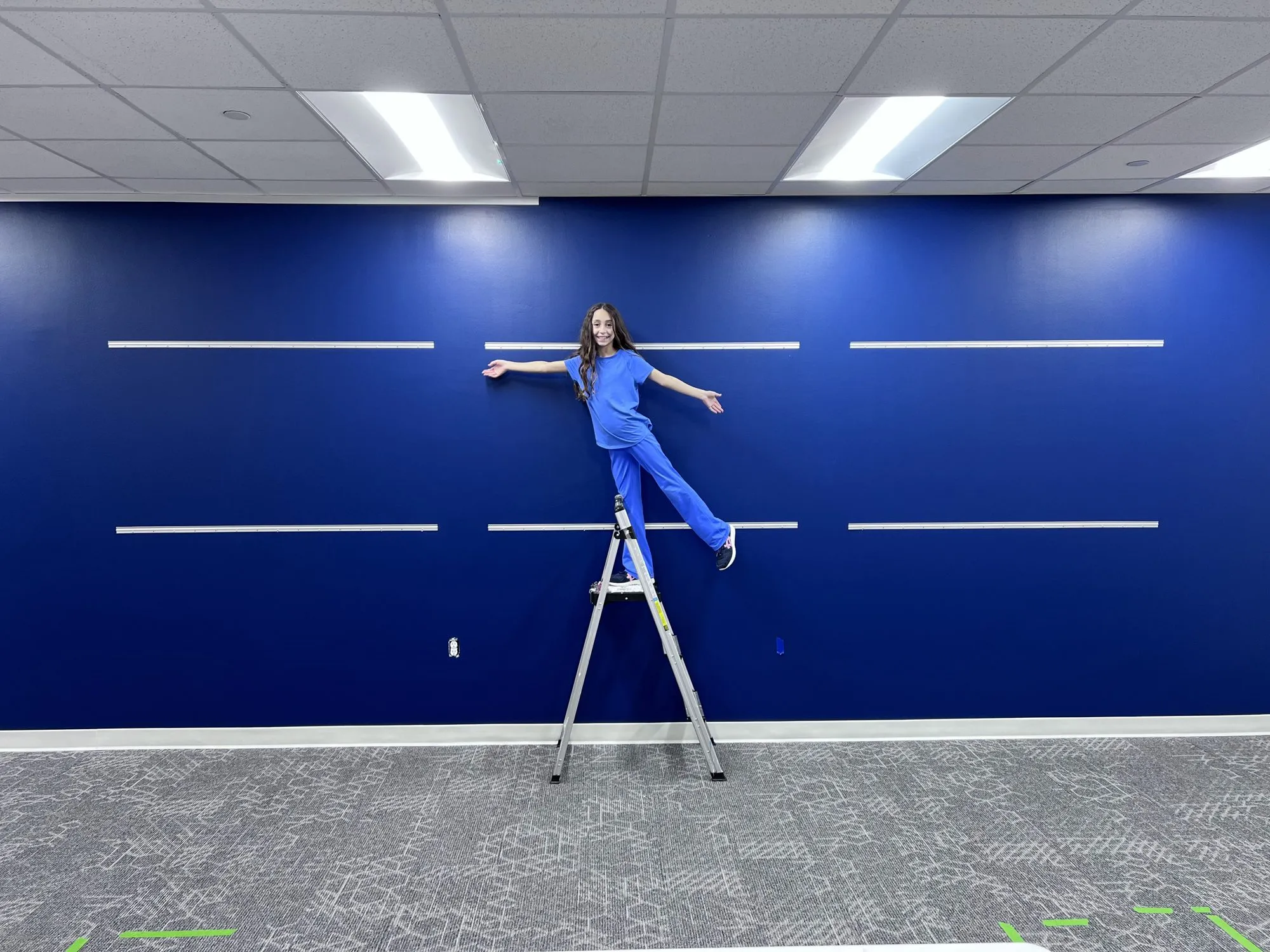
I did not draw the room on a napkin. Alexis designed it. I asked a lot of dumb questions, said I couldn’t visualize it, and she made mockups and I pointed and grunted and she made it happen. She put hundreds of hours into becoming an interior designer and something close to an ergonomics expert so she could build a room on purpose: the color theory, how glossy a whiteboard has to be to erase clean and photograph well, how it mounts, the chairs, the entryway, a separate room to eat lunch in so you can step away from the strategy for ten minutes. She did it, I think, because she wanted me to have a place to be my best in. Over the Christmas break the kids helped hang three whiteboards and wire the networking closet, and paint the walls. Of all the businesses I’ve started, this is the first one they were old enough to watch get built, from the franchise agreement to the kitchen table rehearsals to the day I came home and said we got a client to a physical room they could stand in. Trey and Alejandro brought Core Primary Care in at the end of February and christened it.
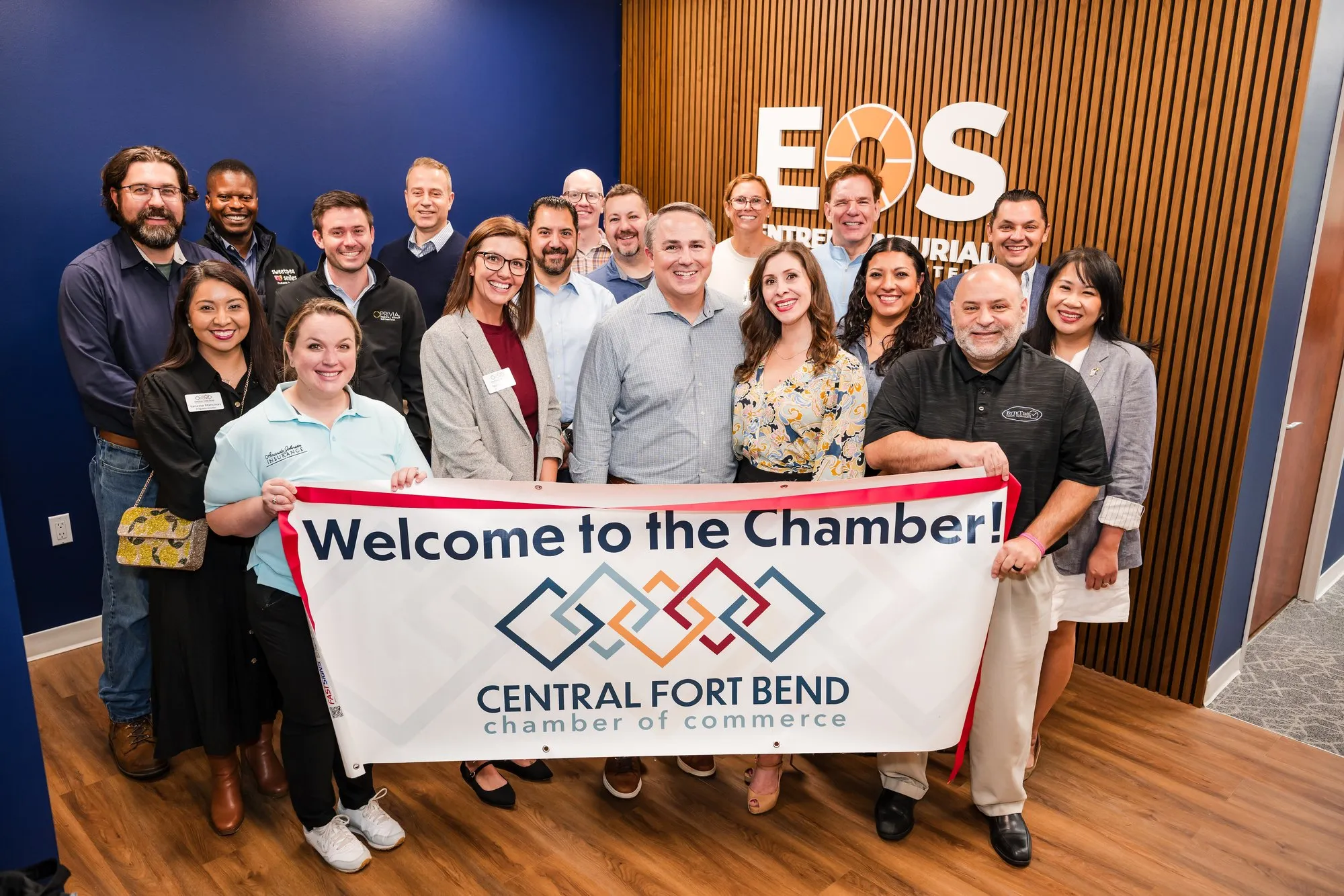
Here is the part I didn’t know I was going to say until Alexis asked. This was my first ribbon cutting. Five businesses in fifteen years, Pinot’s Palette, Vintage CrossFit, T Minus Solutions, Rivalry Tech, this one, and I had never once stopped to cut a ribbon. It was also the last. This is the last business I will start. There is some bittersweet in that, the way there is when you know the family is complete. But I don’t stop seeing businesses. I get to be the uncle now. I get the highlight reel of a hundred companies, the strategy sessions where the biggest decisions get made, the successes and the failures, and I am fairly sure I will learn more about how organizations actually work in the next fifteen years than I did in the first fifteen. Not many athletes make good coaches. Different skills. I know I have to build them.
One year in, here is the whole report. I have never had a job where I leave more charged than I arrived. I have never had a job where day 365 felt better than day one. This one does. This summer was the best summer our family has had in years, World Cup on the wall and movies in the office and a Friday I spent at Leo’s chess tournament instead of at a company. On the 17th I’ll be back in Oklahoma with the Adtech crew, and this Friday Dr. Khan and the Empowered team start their Focus Day right here in Sugar Land. I have been to the darkest corners of owning a business, more than once, and the thing I get to do now is help people skip that part and build something they enjoy instead of something that runs them. That does not get old.
I have never had a job where day 365 felt better than day one. This one does.
So, to Don, Meagan and Tarrah, Dr. Flash and Dr. Morris, Liam, Ming, JR and Brad and Roslynn and Quynhmai, Bo and Malcolm and Donovan and Charity and Karen, Kathleen and Alex, Marco and the machine shop, Carrie and Candus, Trey and Alejandro, Dr. Khan, and everyone who trusted a first year Professional EOS Implementer® with the company they built: thank you for teaching me the job. To the whole Houston MCE, who answer a text before a session faster than I can put the phone down: I don’t know how you built this, but I know what it is. To the nine at the EO roundtable, who have supported more versions of me than I can count: this one’s the keeper. To Maritza, who took the year two problem off my plate in year one. And to Alexis, who built the room and asked the questions: none of this happens without you. I am so grateful for everyone making this dream come true.
If you are where Haus & Host was a year ago, wondering whether to call someone like me, the call costs nothing. Worst case, someone buys you a coffee. Best case is what happened to me, on the other side of that table, a decade ago.
If I could go back to the parking lot in New Braunfels and tell that version of myself one thing, it would be this. Take a breath. This is what you were put on this planet to do.
Year two starts Thursday. The stool’s still there.